
Sports Rehabilitation
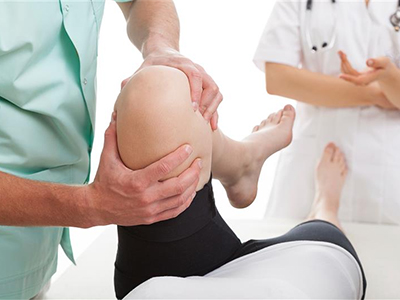
Sports rehabilitation is a treatment modality often recommended for injured or weak athletes of all ages suffering from any sports injury. A sports rehabilitation program can help quicken recovery, reduce pain, promote movement of the stiffened muscles at the injured site, restore normal function and prevent recurring damage to the injured tissue.
Athletes and individuals who play sports regularly are more prone to develop sports injuries such as tennis elbow, ankle sprain, muscle strain, fracture, herniated disc, knee injuries, Achilles tendon injuries, and joint dislocation.
A sports rehabilitation program is recommended for people who cannot resume their sports activities following injury or surgery.
Many sports injuries respond well to early treatment using the RICE method, which stands for Rest, Ice, Compression, and Elevation. This approach helps reduce pain and swelling after acute injuries such as sprains, strains, bruises, and contusions. Depending on your injury, braces, splints, crutches, or other supportive devices may be recommended to protect the affected area during healing. Anti-inflammatory medications, such as ibuprofen, may also help relieve pain when appropriate.
As healing progresses, personalized physical therapy helps restore strength, flexibility, mobility, and function. Your treatment plan is tailored to your injury, lifestyle, and goals, and may include:
- Stretching and flexibility exercises to improve range of motion.
- Manual therapy to reduce muscle tension and promote healing.
- Strengthening and stability exercises to restore joint function and improve balance.
- Sport-specific training to prepare you for a safe return to activity.
- Heat or cold therapy, when appropriate, to manage pain.
- Footwear or orthotic recommendations to improve alignment and reduce stress on injured joints.
Tips for a Successful Recovery
To support your recovery:
- Progress your exercises gradually and follow your therapist's recommendations.
- Stay consistent with your home exercise program.
- Wear supportive footwear appropriate for your activity.
- Stay hydrated and maintain good nutrition.
- Return to sports only when cleared by your therapist or healthcare provider.
Injury Prevention
While injuries cannot always be avoided, these simple steps can help reduce your risk:
- Warm up before exercise or sports.
- Increase activity levels gradually.
- Avoid pushing through pain or excessive fatigue.
- Wear appropriate protective equipment.
- Practice proper technique with qualified instruction.
- Maintain strength, flexibility, and balance through regular exercise.